Eisbock
${i18n('varv')}
Eisbock ranges from clear, dark copper tones to dark brown.
What is Eisbock?
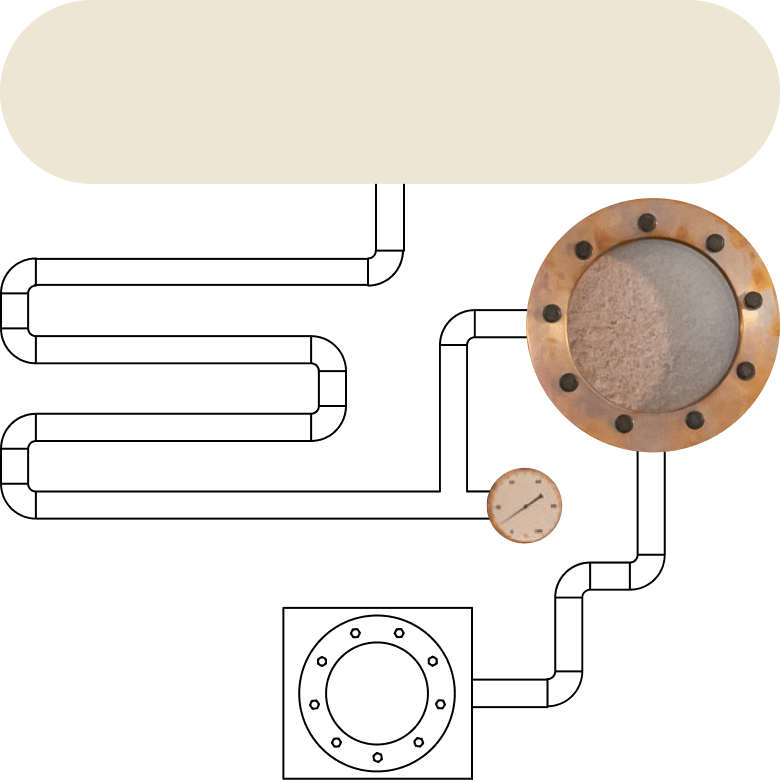
Eisbock is a significantly stronger version of bock created through the process of freezing the beer. Since water freezes at a higher temperature compared to alcohol, it is possible to reduce the water content and increase the alcohol content by removing frozen water from the liquid.
The aroma of eisbock is intense and fruity, with hints of (dried) plums and raisins. The taste is rich, sweet, and chocolatey, balanced by a noticeable alcohol flavour.
Origin Story
According to legend, eisbock originated in the Kulmbach region of Bavaria, where, on an exceptionally cold winter evening in 1890, an apprentice at the local Reichelbräu brewery was instructed to move a barrel containing bock beer to a warmer part of the brewery.
Either they forgot or failed in the task, as by the next morning, much of the beer had frozen. When the brewmaster returned to work, they found that the barrel had burst and a large block of ice surrounded a small amount of dark liquid. This liquid turned out to be much tastier than expected, and thus, the first eisbock was born.
Whether this tale is entirely true or not, the story is still told in Kulmbach. Reichelbräu introduced its eisbock to the market under the name of Kulmbacher eisbock (also known as Bayerisch G’frorns, meaning Bavarian Ice Cream). It remains one of the few commercially available eisbock-style beers.
Another notable example is the Schneider Weisse Aventinus eisbock based on the Weizendoppelbock Aventinus.
Many craft brewers have experimented with producing eisbocks and other freeze-distilled beers, with some reaching alcohol contents exceeding 40%.
Fun fact: In 2020, the most potent eisbock was crafted through a partnership between Scotland’s BrewDog and Germany’s Schorschbrau breweries. Named ‘Strength in Numbers’, it boasted an impressive potency of 57.8%.
${i18n('vol')}
8-14%